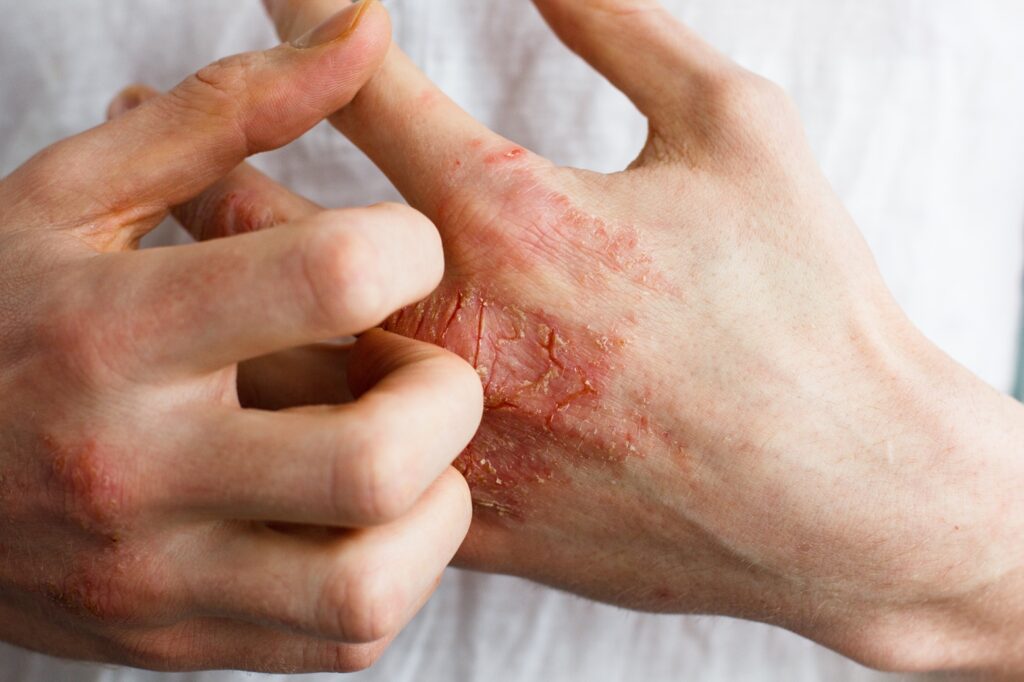
If you’ve been dealing with eczema for years, cycling through steroid creams, moisturisers, and antihistamines without lasting relief, you’re not alone. Eczema (atopic dermatitis) affects around 15 million people in the UK. For many of them, conventional treatments only manage symptoms without ever addressing why the skin is inflamed in the first place.
As a functional medicine practitioner, I take a different approach. Instead of suppressing eczema flare-ups, I work with clients to uncover and treat the root causes, whether that’s gut health, food triggers, nutrient deficiencies, immune imbalances, or chronic stress.
Here’s what I see again and again: once we find and fix the underlying driver, the skin starts to heal on its own.
What causes eczema? It’s more than just a skin problem
Most people think of eczema as a skin condition. But research increasingly shows it’s a systemic issue driven by internal imbalances. The red, itchy, inflamed patches on your skin are the symptom, not the cause.
The root causes of eczema usually involve one or more of these:
Gut dysfunction (dysbiosis, leaky gut, infections)
Food sensitivities and triggers
Nutrient deficiencies
Immune system imbalances
Chronic stress
Environmental toxins
I’ll go through each of these below, along with what you can actually do about them.
Eczema and gut health: the gut-skin connection
The link between eczema and gut health is one of the most well-researched areas in functional medicine, and one of the most important if you want lasting results.
Your gut houses around 70% of your immune system. When the gut microbiome falls out of balance (a state called dysbiosis), it can trigger widespread inflammation that shows up on the skin as eczema.
How poor gut health triggers eczema
There are several ways this happens:
Leaky gut syndrome (intestinal permeability). When the gut lining becomes damaged, partially digested food particles and toxins pass into the bloodstream. The immune system reacts to these foreign substances, triggering inflammation that manifests as eczema flare-ups.
Gut dysbiosis. An imbalance between beneficial and harmful bacteria promotes chronic, low-grade inflammation. Studies show that people with eczema have less microbial diversity in their gut compared to those without the condition.
Candida overgrowth. Candida is a yeast that naturally lives in the gut. But when it overgrows, usually due to antibiotic use, a high-sugar diet, or stress, it can worsen eczema significantly. Candida eczema is more common than many people realise, and it’s something I see frequently in my practice.
How to improve gut health for eczema
Restoring gut health is one of the most impactful steps in managing eczema. The process usually follows four stages:
Remove irritants – cut out foods that damage the gut lining (processed foods, refined sugar, alcohol)
Replace – support digestion with enzymes or stomach acid support if needed
Reinoculate – replenish beneficial bacteria with targeted probiotics (more on this below)
Repair – heal the gut lining with nutrients like L-glutamine, zinc, and omega-3 fatty acids
Eczema diet: foods to avoid and foods that help
Diet is one of the most powerful tools for managing eczema. What you eat directly influences gut health, inflammation levels, and immune function, all of which affect your skin.
Foods to avoid with eczema
Common eczema food triggers include:
Dairy products – one of the most frequent triggers, particularly cow’s milk, which can increase inflammation and histamine levels
Gluten and wheat – can contribute to intestinal permeability (leaky gut) and worsen eczema in sensitive individuals
Eggs – a well-documented trigger, especially in children with atopic dermatitis
Soy – contains compounds that can disrupt hormonal balance and trigger immune responses
Refined sugar and processed foods – fuel inflammation, feed candida, and deplete nutrients needed for skin repair
Alcohol – increases gut permeability and depletes zinc, a mineral that’s critical for skin health
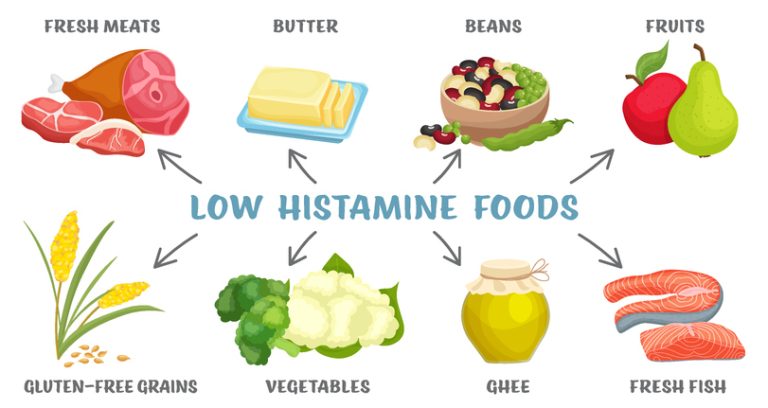
High-histamine foods – fermented foods, aged cheeses, and cured meats can worsen eczema in those with histamine intolerance
Food triggers are highly individual, though. What causes eczema flare-ups in one person may be perfectly fine for another. That’s why I use thorough testing to identify your specific triggers rather than relying on generic elimination diets.
An anti-inflammatory diet for eczema
An anti-inflammatory eczema diet should include:
Oily fish (salmon, mackerel, sardines) – rich in omega-3 fatty acids that reduce inflammation
Colourful vegetables and fruits – packed with antioxidants and phytonutrients that support skin repair
Bone broth – contains collagen, glutamine, and glycine to help repair the gut lining
Healthy fats (avocado, olive oil, coconut oil) – support the skin barrier and reduce inflammation
Prebiotic-rich foods (garlic, onions, leeks, asparagus) – feed beneficial gut bacteria
Turmeric and ginger – natural anti-inflammatory compounds
Probiotics for eczema: what the research shows
Probiotics for eczema have become one of the most studied areas in dermatology and functional medicine. The evidence is strong:
A meta-analysis published in the Journal of Allergy and Clinical Immunology found that certain probiotic strains can reduce eczema severity by up to 50% in some individuals.
Lactobacillus rhamnosus GG and Bifidobacterium lactis are among the most researched strains for eczema.
Probiotics work by restoring microbial balance in the gut, strengthening the gut barrier, and modulating the immune response.
Not all probiotics are created equal, though. The strain, dose, and quality matter enormously. I recommend specific, evidence-based probiotic protocols tailored to each client’s unique gut profile rather than grabbing a generic supplement off the shelf.
Eczema supplements: key nutrients for skin health
Nutrient deficiencies are remarkably common in people with eczema, and targeted supplementation can make a real difference.
Vitamin D and eczema
Vitamin D plays a major role in immune regulation and skin barrier function. Research has consistently shown that people with eczema tend to have lower vitamin D levels, and supplementation can reduce flare-ups, particularly during winter when sun exposure is limited.
In the UK, where vitamin D deficiency is widespread, this is an especially important consideration. I test vitamin D levels as standard and recommend an appropriate dose based on your results.
Omega-3 fatty acids
Omega-3s (EPA and DHA) are powerful anti-inflammatory compounds that support skin barrier function. People with eczema have an imbalance between pro-inflammatory omega-6 fats and anti-inflammatory omega-3 fats. Correcting this ratio through supplementation and dietary changes can reduce eczema severity.
Zinc
Zinc is needed for skin repair, immune function, and gut integrity. Deficiency is common in eczema sufferers and can impair wound healing and increase susceptibility to infections. I see improvements in skin health regularly once zinc levels are optimised.
Other supportive supplements
Depending on your individual assessment, I may also recommend:
Vitamin A – supports skin cell turnover and immune function
Quercetin – a natural antihistamine and anti-inflammatory flavonoid
L-glutamine – an amino acid that helps repair the gut lining
Evening primrose oil or borage oil – sources of GLA (gamma-linolenic acid), which supports skin barrier function
Eczema and stress: breaking the flare-up cycle
If you’ve noticed your eczema gets worse during stressful periods, there’s a clear scientific reason for it. Chronic stress elevates cortisol and other stress hormones. This suppresses beneficial immune function while activating inflammatory pathways, increases gut permeability (leaky gut), disrupts the gut microbiome, and impairs skin barrier repair.
It becomes a vicious cycle. Stress triggers eczema, and living with eczema causes more stress.
Stress management strategies that help eczema
What works will vary from person to person, but these are the approaches I recommend most:
Mindfulness and meditation have been shown to reduce cortisol levels and improve eczema outcomes. Even ten minutes a day can make a difference.
Regular exercise supports detoxification, improves mood, and reduces systemic inflammation. It doesn’t need to be intense; walking, swimming, or yoga all count.
Sleep is when your skin repairs itself. Poor sleep and eczema feed off each other, so getting this right matters.
Breathwork and yoga activate the parasympathetic nervous system, which promotes healing. If you’ve never tried box breathing, it’s a good place to start.
Environmental toxins and eczema
Environmental factors are an overlooked root cause of eczema. Toxins can disrupt hormonal balance, overwhelm the liver’s detoxification capacity, and trigger immune reactions.
Common environmental eczema triggers include:
Mould exposure – a potent trigger for immune dysregulation and skin inflammation
Chlorinated tap water – can irritate the skin barrier and disrupt the gut microbiome when consumed
Synthetic fabrics and fragrances – direct skin irritants that worsen eczema
Household cleaning products – contain chemicals that burden the detoxification system
Heavy metals – mercury, lead, and aluminium can accumulate in the body and drive chronic inflammation
Supporting the body’s natural detoxification processes through a nutrient-dense diet, adequate hydration, liver-supportive herbs, and reducing toxin exposure is an important part of a complete eczema treatment plan.
Natural eczema treatment: gentle topical support
My approach focuses primarily on addressing internal root causes, but topical care still matters for managing symptoms and supporting the skin barrier while you heal from the inside out.
Natural, gentle alternatives to steroid creams include:
Aloe vera – soothes inflammation and supports skin healing
Calendula – has anti-inflammatory and antimicrobial properties
Chamomile – calms irritated skin and reduces redness
Liquorice root extract – contains glycyrrhizin, which has anti-inflammatory effects comparable to mild steroid creams
Colloidal oatmeal – clinically proven to soothe itching and restore the skin barrier
Coconut oil – a natural moisturiser with antimicrobial properties
These work best when combined with internal healing, addressing gut health, diet, and nutrient status alongside what you put on your skin.
Case study: how addressing root causes resolved chronic eczema
To show how this approach works in practice, here’s a real example from my clinic.
Sarah, 40, had suffered from chronic eczema for over a decade. She’d tried countless steroid creams, emollients, and even immunosuppressant medication, but her eczema kept coming back. When she came to see me, her skin was raw, her sleep was disrupted, and her confidence was at an all-time low.
After a full assessment, we identified several contributing factors: a diet high in processed foods and common trigger foods, multiple food sensitivities (including wheat and gluten), candida overgrowth in the gut, low vitamin D and zinc levels, and immune system imbalances.
Her personalised treatment plan included:
-Targeted food sensitivity testing and an elimination protocol removing her specific triggers
-Vitamin A, zinc, and a tailored probiotic protocol to restore gut health
-Herbal medicine (including Gallium) to support lymphatic drainage
–Micro-immunotherapy to rebalance her immune system
-A switch to natural, fragrance-free skincare
Within three months, Sarah’s eczema had improved dramatically. Her flare-ups became rare, her sleep improved, and she felt more in control of her health than she had in years.
Frequently asked questions about eczema
Is eczema linked to gut health?
Yes. There is strong evidence linking eczema to gut health. The gut houses around 70% of the immune system, and imbalances in gut bacteria (dysbiosis), leaky gut syndrome, and candida overgrowth can all trigger the systemic inflammation that drives eczema. Improving gut health is one of the most effective strategies for long-term eczema management.
What foods should I avoid if I have eczema?
The most common eczema food triggers include dairy, gluten, eggs, soy, refined sugar, and processed foods. But triggers are highly individual. Working with a practitioner who can test for your specific food sensitivities is far more effective than following a generic elimination diet.
Can probiotics help with eczema?
Research shows that specific probiotic strains, particularly Lactobacillus rhamnosus GG and Bifidobacterium lactis, can reduce eczema severity. Probiotics work by restoring gut microbial balance, strengthening the gut barrier, and modulating immune responses. The right strain and dose matter, though. A targeted protocol is more effective than a generic probiotic.
Does stress make eczema worse?
Yes. Chronic stress elevates cortisol and inflammatory markers, increases gut permeability, and disrupts the skin barrier, all of which can trigger or worsen eczema flare-ups. Stress management techniques like mindfulness, exercise, and adequate sleep are an important part of any eczema treatment plan.
What supplements help eczema?
Key supplements for eczema include vitamin D, omega-3 fatty acids (fish oil), zinc, probiotics, and vitamin A. Quercetin and L-glutamine can also be beneficial. The right supplements depend on your individual deficiencies and root causes, which is why testing and personalised protocols matter.
Can eczema be cured naturally?
“Cure” is a strong word, but many people achieve complete or near-complete resolution of their eczema by addressing root causes. Look at the connection between eczema and gut health, changing your diet, using targeted supplementation, stress management, and reducing environmental triggers. The key is identifying your specific drivers and addressing them one by one.
Ready to find the root cause of your eczema?
If you’re tired of managing eczema symptoms without ever getting to the bottom of why your skin is inflamed, I can help. My approach is personalised, evidence-informed, and designed to give you lasting results, not just temporary relief.
Book a free health support call to discuss your eczema and find out how a root cause approach could work for you.